Summer in Wood River gets humid and hot quickly. A poorly tuned air conditioner can double your electric bill and still leave rooms uneven and stuffy. For households and businesses that care about energy, comfort, and long-term costs, the right repairs and upgrades make a measurable difference. This piece walks through eco-conscious repair choices available locally, how technicians diagnose waste, what to expect during service, and how to evaluate trade-offs so you spend wisely and reduce environmental impact.
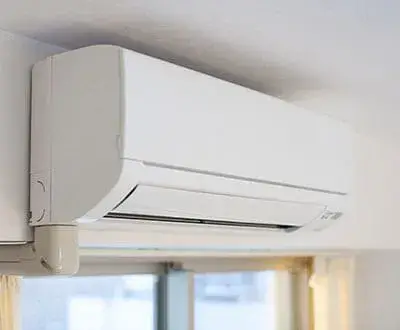
Why eco-friendly repair matters here Wood River sits in a climate that stresses HVAC systems much of the year. When systems run inefficiently, they waste electricity and increase greenhouse gas emissions tied to power generation. That is the plain economic case: lower consumption equals lower bills. The environmental case follows: incremental gains across hundreds of homes add up. Beyond numbers, there is also reliability. A system that operates cleanly and precisely tends to fail less often, and emergency calls in heat waves are costly for everyone.
I recommend treating efficiency as preventive maintenance. Fix loose ductwork, replace worn components, and tune controls before they force a complete replacement. Those repairs are often cheaper than emergency replacements and preserve the embodied energy already invested in the existing unit.
How technicians find the waste A useful repair begins with measurement. Reputable HVAC contractors near me Visit our website will arrive with instruments: refrigerant gauges, airflow meters, infrared thermometers, and a combustion analyzer for systems that share a flue. They will measure temperature split across the evaporator coil, static pressure in the ducts, and subcooling and superheat for refrigerant-charged systems. A simple example: a healthy split between supply and return should be roughly 16 to 22 degrees Fahrenheit in cooling mode. If the split is far lower, technicians investigate airflow or a dirty coil before charging refrigerant. Overcharging or undercharging a system reduces efficiency and increases wear; a proper charge is an eco-friendly move because it prevents wasted cycles.
I recall a job where a mid-2000s split system presented as weak cooling and high electricity use. The homeowner assumed the refrigerant was low. Measurements showed the opposite: refrigerant was slightly high and the airflow was down 30 percent because the blower wheel had dust and the return filter had been left out of the cabinet for months. The repair consisted of a thorough coil cleaning, rebalancing the blower, and recharging correctly. The result was immediate: energy use dropped by an estimated 15 to 20 percent and the compressor stopped short cycling.
Repair and upgrade options that reduce waste Not every eco-friendly choice requires replacing the entire system. Many repairs improve efficiency at modest cost.
- Clean and restore: Coil and drain pan cleaning, replacing neglected filters with the correct MERV rating for the system, and clearing combustion passages. Keeping coils clean can recover several percentage points of efficiency lost to grime. Airflow correction: Sealed and balanced ductwork, tightened connections, and properly sized return paths. Poor airflow forces compressors and fans to run longer. Sealing ducts with mastic or foil tape and fixing collapsed flex ducts often yields immediate comfort improvements. Controls and thermostats: Upgrading to a programmable or smart thermostat that integrates with zoning can reduce runtime. Simple setback strategies save 5 to 10 percent on seasonal cooling costs when used correctly. Refrigerant and leak repair: Fixing a leak and restoring the manufacturer-specified refrigerant charge preserves compressor life. Preventing repeat leaks is essential; use durable fittings and not just temporary stops. Variable-speed components: Replacing a single-speed blower motor with a variable-speed motor or converting to a multi-stage blower reduces short cycling and adjusts capacity to demand, saving energy in partial-load conditions common in shoulder seasons.
Choosing the right components means balancing first cost, expected energy savings, and the remaining life of the existing equipment. For example, spending several thousand dollars on a high-efficiency variable-speed compressor may not make sense if the outdoor condensing unit is already 15 years old. A practical contractor will present options and recommended payback timelines.
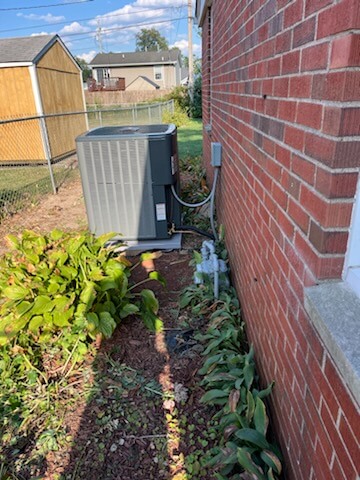
What eco-friendly emergency repair looks like When a system fails in the heat, homeowners often want a quick swap or a temporary bandage. Eco-friendly emergency service avoids unnecessary replacements and prioritizes minimally invasive fixes. A trustworthy HVAC company will diagnose first, then explain whether the emergency repair is a stopgap or a long-term solution. If the compressor has failed in an otherwise young system, replacing the compressor may be sensible. If the age of the unit suggests a near-future failure of other components, the better decision might be a full replacement with a more efficient model.
Emergency AC repair near me should include clear communication about the environmental trade-offs. A rushed replacement with a mismatched capacity unit will waste energy. A careful emergency repair replaces only the failed components, uses compatible refrigerant, and documents the work for future decisions.
Local examples and contractor practices B & W Heating & Cooling and similar HVAC contractors in the area typically offer energy audits alongside repair services. An energy audit identifies quick wins and longer-term upgrade targets. For example, on a small commercial storefront, sealing ducts, adding insulation to the roof cavity, and zoning thermostats reduced runtime by nearly 30 percent during July and August in one case I observed. The initial cost was returned in less than three years through lower utility bills.
Ask your contractor whether they perform a load calculation before recommending equipment. Proper sizing matters more for efficiency than most homeowners realize. Oversized equipment short cycles, increases humidity problems, and uses more electricity. A correctly sized unit that operates smoothly is both more comfortable and more environmentally responsible.
Financing and incentives in Illinois Repair and upgrade costs matter, so look for programs that offset upfront expense. Illinois periodically offers rebates for high-efficiency equipment and certain thermostat installations. Local utilities sometimes have seasonal rebates for duct sealing, attic insulation, and efficient AC units. Contractors often assist customers in applying for these incentives. When evaluating a proposal, request line-item estimates that show how much of the project might be covered by rebates or financing.
When to replace instead of repair There is a tipping point where replacement is the greener financial decision. If a central AC is older than 12 to 15 years, or if repair costs exceed about 40 to 50 percent of a new system estimate, replacement might be better for both wallet and carbon footprint. Newer systems often use more efficient compressors, improved coils, and better control integration, delivering 15 to 40 percent energy savings depending on the model and home.
If you choose replacement, consider high-efficiency options that match local energy prices and usage patterns. A two-stage or variable-speed compressor is particularly beneficial in climates with long cooling seasons and humidity. Paired with proper ductwork and smart controls, these systems yield sustained savings that justify their higher initial cost.
Practical checklist before you call a contractor
Note the symptoms, when they started, and any recent maintenance performed. Photos and short videos of noises, panel labels, or condensation can speed diagnosis. Check filters, breakers, and thermostat settings first to avoid unnecessary service calls. Ask whether the company performs load calculations and provides written estimates with efficiency comparisons. Request written warranties on parts and labor and ask if they use EPA-certified refrigerant-handling practices. Inquire about financing, rebates, and expected payback for recommended upgrades.How to evaluate contractor proposals A persuasive estimate clarifies scope and outcomes. Beware of vague promises and blank-slate numbers. The best proposals break down labor, parts, and materials, explain why a repair is recommended, list alternatives, and provide projected energy savings where possible. Ask for references from neighbors or local businesses with similar projects. Local contractors who have experience with older homes, common in parts of Wood River, understand ductwork quirks and typical insulation shortfalls.
Avoid contractors who insist on replacing major components without diagnostic measurements. Good technicians justify changes with data: static pressure readings, refrigerant charge numbers, and coil condition documented in photographs. If the proposal includes refrigerant, ensure the type is listed, because some older units use refrigerants being phased down for environmental reasons. Responsible technicians will outline retrofits and legal constraints tied to refrigerant changes.
Trade-offs and edge cases Sometimes the eco-friendly option costs more initially and pays back slowly. Historic homes often have aged ductwork or limited attic access that makes sealing difficult. In those cases, prioritize the repairs with the most leverage: improving insulation and addressing major duct leaks before investing in a premium compressor. Appliances and envelope upgrades combine; a smaller, more efficient AC paired with attic insulation and shade trees can outperform a larger unit alone.
For renters and short-term owners, complex replacements rarely make sense. Focus on maintenance that extends life and improves efficiency: filter changes, coil cleanings, and thermostat programming. In multi-family or commercial buildings, central system replacements can be complicated by tenant disruption. Split the project into phases: first address air distribution and controls, then upgrade compressors when a schedule minimizes downtime.
Sustainability beyond the repair shop Eco-friendly HVAC care extends beyond the repair itself. Proper disposal of old units and refrigerant is crucial. Choose a contractor that recycles metal, documents refrigerant recovery, and follows EPA disposal rules. Ask whether they use low-VOC sealants and environmentally responsible cleaning agents for coils. Small choices add up.
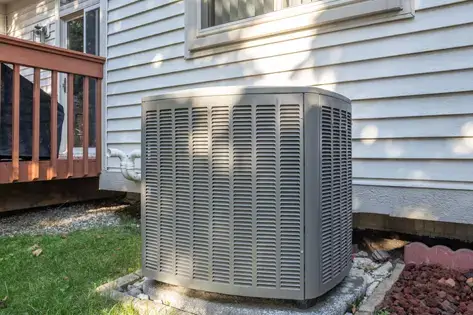
Behavioral changes also matter. Running ceiling fans, using shading and ventilation strategies during shoulder seasons, and setting thermostats to reasonable levels reduce system demand. A programmable schedule that avoids cooling empty houses by a few degrees during working hours often yields noticeable savings without sacrificing comfort.
Finding the right HVAC company near me Searches for HVAC Service Near Me will return many options. Vetting recommendations and online reviews will help, but local word-of-mouth remains the most reliable. Ask neighbors who handled similar repairs during recent heat waves. Inquire whether companies regularly service the brands common in the area, and whether they have technicians certified in refrigerant handling and combustion analysis.
B & W Heating & Cooling is one of the names homeowners in the region will encounter. The quality of work depends on individuals doing the job: technicians who measure, explain, and stand behind their work are worth the extra cost. Expect transparent estimates, evidence-based diagnostics, and a willingness to discuss eco-friendly alternatives. If a contractor avoids discussing energy impact or dismisses measurement tools, consider a second opinion.
Final considerations before booking service Ask for a written rundown of the recommended work and the reasons for it. Verify that the contractor will document pre- and post-service performance: temperature splits, airflow, refrigerant charge, and electrical draw where applicable. These numbers are valuable for future decisions and help confirm the repair achieved its intended savings.
Keep in mind the human element. Technicians who listen to how you use your home, consider scheduling preferences, and explain trade-offs in plain language are easier to work with over years of maintenance. A thoughtful repair plan preserves equipment, lowers utility bills, and reduces environmental impact without unnecessary expense.
If you live in Wood River and care about comfort, cost, and climate, approach HVAC repair with the mindset of a caretaker. Measure before you mend, prioritize repairs that yield the most savings, ask for transparent proposals, and choose contractors who document results. Those steps lead to safer, more efficient systems that keep homes comfortable and lower both bills and emissions.
B & W Heating & Cooling
3925 Blackburn Rd, Edwardsville, IL 62025
+1 (618) 254-0645
[email protected]
Website: https://www.bwheatcool.com/